




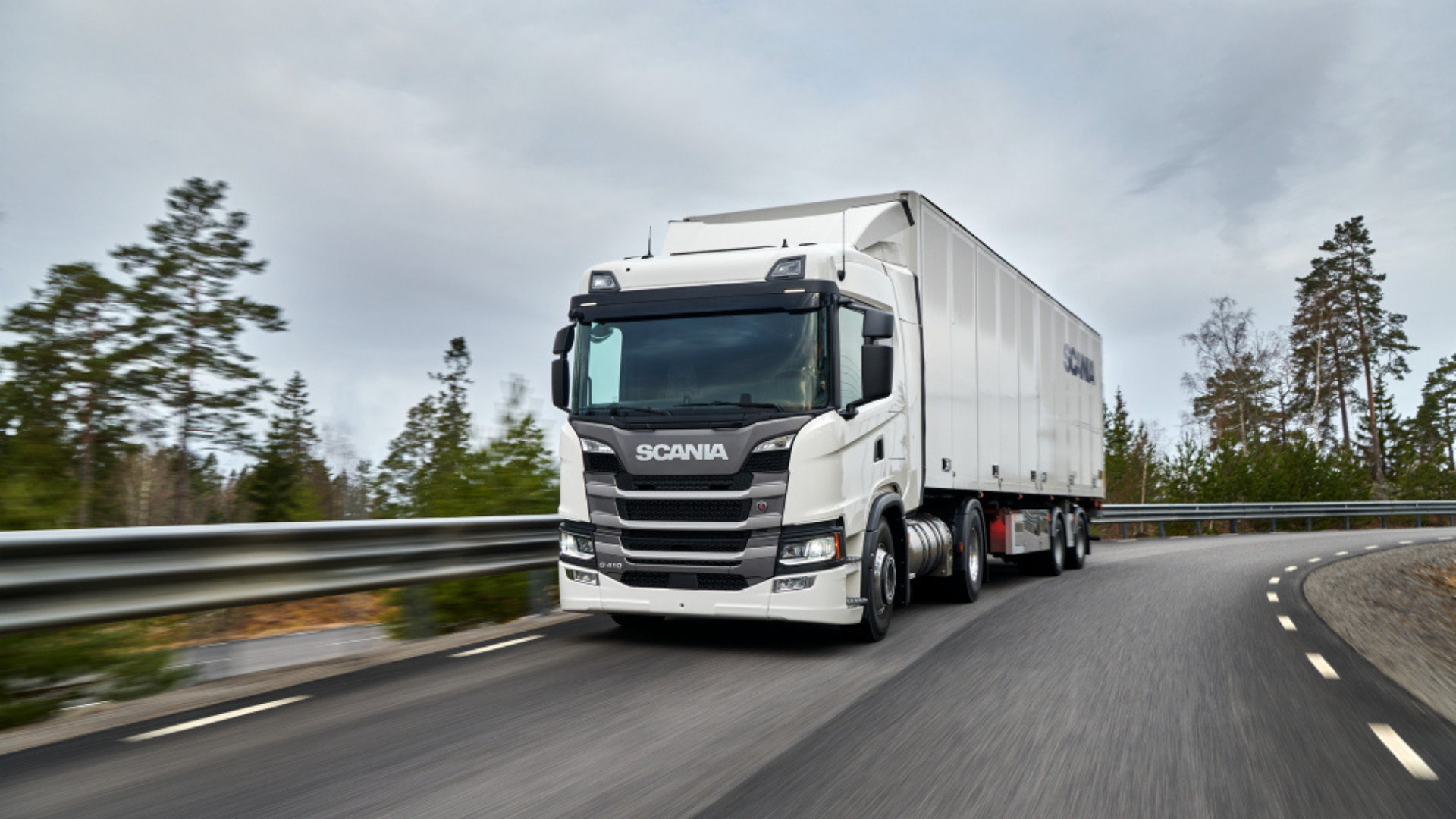
When September rolls around, the Philippine transport and logistics industry takes a moment to recognize the people who keep businesses moving: our truck drivers. National Driver Appreciation Month is a chance for fleet operators to say thank you through company gatherings, performance bonuses, awards, and other gestures of recognition. But when it comes to the people behind the wheel, appreciation should mean more than a celebration or an extra bonus.
Real appreciation means giving drivers the support they need to do their jobs well and build a better future on the road. Driving a heavy-duty truck is not simply about getting from point A to point B. It takes skill, focus, good judgment, and the ability to handle everything from heavy traffic and changing road conditions to demanding schedules.
Table of Contents
Yet the profession is still sometimes seen as a job that anyone can do, rather than the skilled and responsible career that it is.
That perception can change when fleet operators invest in their drivers. Continuous truck driver training in the Philippines gives drivers the opportunity to sharpen their skills, improve their safety practices, and stay confident behind the wheel. From proper gear selection and fuel-efficient driving to defensive driving and vehicle handling, the right training can make a real difference—not just in how a driver performs, but in how they see their own profession.
The Driver Shortage Crisis: Why We Must Change the Narrative


Before we can talk about what it means to professionalize the Filipino driver, we need to look at the challenge facing the industry today: there simply aren’t enough qualified drivers.
Finding someone who can steer a truck is one thing. Finding a skilled, dependable driver who can safely handle a heavy-duty vehicle, manage demanding routes, and protect a valuable fleet asset is much harder.
The numbers show just how serious the shortage has become. According to the International Road Transport Union (IRU) 2025, global driver shortage survey, around 2.9 million truck driver positions remain unfilled worldwide. The IRU points to changing workforce expectations as one reason long-haul driving has become less attractive to younger workers. As fewer young people enter the profession, fleet operators face an increasingly difficult task: finding enough qualified drivers to keep their trucks—and their businesses—moving.
The Philippines is feeling the pressure, too. A recent survey by the Haulers and Truckers Association in the Watersouth (HATAW) found a 20% to 30% shortage of cargo truck drivers operating within the Manila port area. That shortage has a direct impact on fleet utilization. HATAW reported that 2 to 3 out of every 10 trucks remain idle simply because there is no driver available to operate them.
For fleet operators, idle trucks mean more than missed trips. They represent valuable assets sitting unused while operating costs continue to add up. And with the driver shortage showing no signs of disappearing overnight, relying on the same old approach to recruitment and retention is no longer enough.
The industry needs to give drivers more reasons to stay—and more reasons for the next generation to join. Competitive compensation matters, but so do respect, proper training, and opportunities to build a career. When companies invest in technical skills and continuous driver development, they give drivers a clearer path forward while building a workforce that can handle the demands of modern logistics.
From Operator to Professional: The Psychological Shift

The shift from being a “truck driver” to becoming a “road professional” starts with how a company approaches training. When drivers receive the keys after only basic onboarding, it can make the job seem like simply getting behind the wheel and completing a route. But with continuous fleet safety training, drivers learn that they are handling complex, high-value machines that require technical knowledge, sound judgment, and situational awareness.
Training also builds pride and responsibility. When drivers understand their vehicle’s systems—from a Scania engine to an Ashok Leyland braking system—they become more confident and careful behind the wheel. Instead of simply reacting to road conditions, they learn to anticipate risks, make better decisions, and protect the vehicle in their care.
Professional training does more than improve driving skills. It helps drivers take pride in their work and see themselves as skilled road professionals.
BJM Driver Training Programs: Mastering the Craft
At BJ Mercantile Inc. (BJM), being a “Partner in Growth” means more than providing world-class commercial vehicles. It also means supporting the people who operate them. Through BJM driver training, we equip Filipino drivers with the skills and confidence to handle their vehicles safely and efficiently.

And this commitment starts with the ROAD they take as they transform truck drivers to road professionals—this approach is built on four key areas of driver development:
R — Road Safety
O — Operational Efficiency
A — Awareness & Vehicle Control
D — Driver Development
The ROI of Continuous Training for Fleet Managers
Investing in continuous driver training is not just good for your drivers—it is good for your bottom line. When drivers know how to anticipate hazards and handle their trucks properly, they can help prevent accidents, reduce vehicle damage, and avoid costly downtime. Better habits behind the wheel, from proper gear selection and smoother driving to cutting unnecessary idling, can also improve fuel efficiency and reduce wear on engines, brakes, hydraulic retarders, tires, and other key components. And the benefits go beyond the truck itself. Giving drivers opportunities to learn, improve, and earn recognition for good performance can build loyalty and encourage them to stay. In the long run, better-trained drivers mean fewer avoidable costs, better-performing trucks, and a stronger workforce—making driver training an investment that pays for itself on and off the road.
Conclusion: Education is the Highest Form of Appreciation
National Driver Appreciation Month is a great time to recognize the people who work tirelessly to keep the Philippine supply chain moving. But appreciation should not end when the month does. The real measure of how much you value your drivers is in the opportunities you give them to learn, grow, and build a future in the industry.
Through continuous truck driver training, stronger logistics skills, and ongoing support, you can help drivers become the skilled road professionals they already have the potential to be. In return, you build a safer, more capable, and more committed workforce. Invest in your drivers, and you invest in the future of your fleet.
Don't Let the Rain Wash Away Your Profits!
Is your workshop actually ready for the wet season? Take the guesswork out of your maintenance routine. Download our fast, printable guide to ensure every truck is typhoon-proof before it leaves the yard.
Your free guide is on the way!
Your requested PDF is on its way to your inbox! We've also added you to our newsletter so you can stay up-to-date with our latest news. If you ever change your mind, you can easily opt out by clicking the unsubscribe link at the bottom of any email. Thanks for downloading!
Comments are closed