




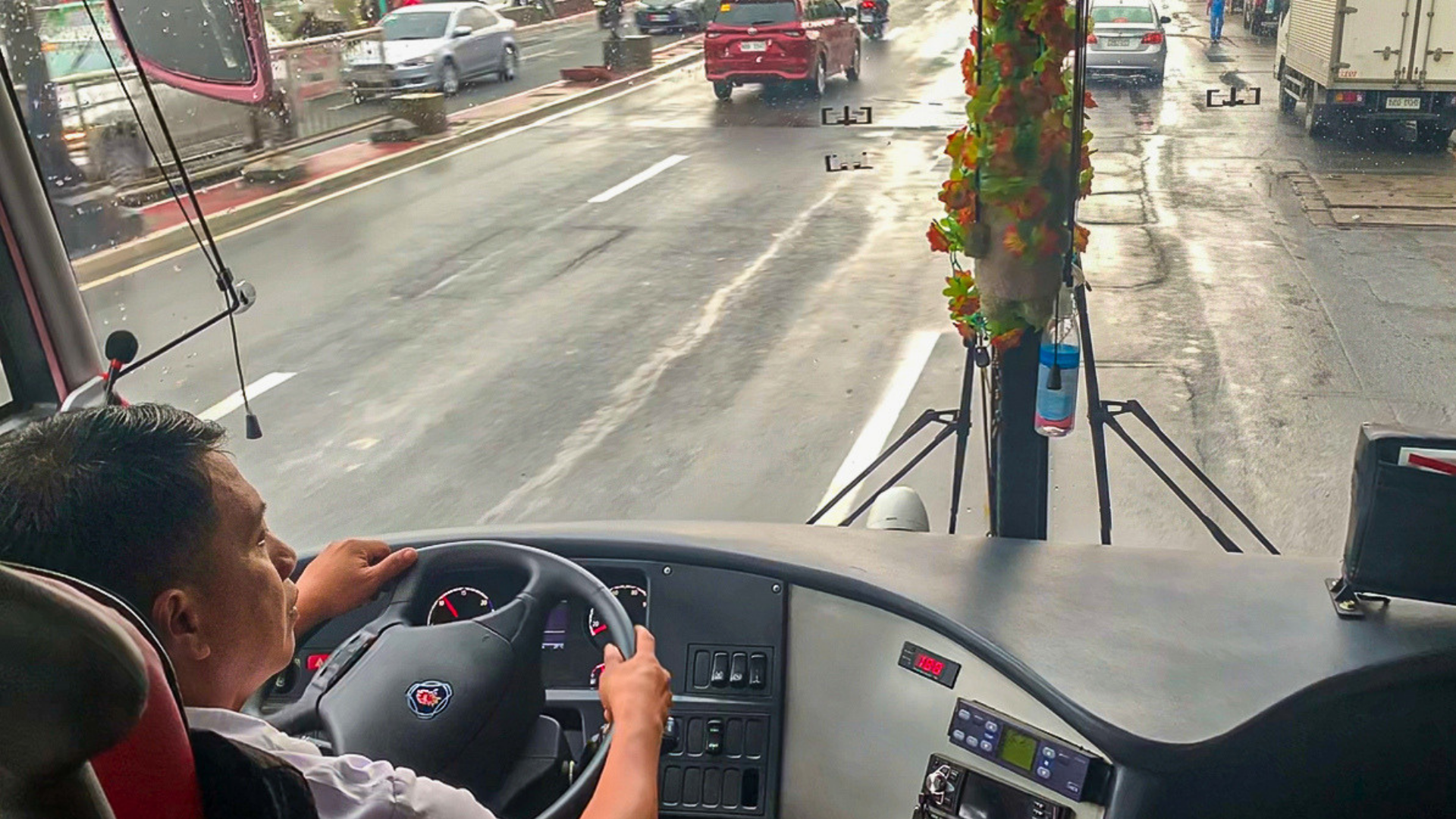
Every September, the Philippine logistics industry comes together to celebrate National Driver Appreciation Month. Companies hang banners at their depots, award performance bonuses, and publicly recognize the hardworking men and women who keep the nation’s supply chains moving. These gestures are important and well-deserved.
However, while verbal recognition, certificates, and financial incentives are excellent starting points, they often fail to address the industry’s most costly and deeply entrenched operational challenge: systemic driver churn.
High turnover quietly erodes profitability, disrupts client supply chains, and increases the risk of on-road accidents. If you want to keep your best drivers loyal to your fleet,
Table of Contents
you need to look beyond the occasional bonus or commendation. You need to take a hard, honest look at their primary workspace—the truck cabin.
The Hidden Cost of "Driver Churn" in the Philippines

To understand why driver appreciation needs to go beyond surface-level gestures, we first need to look at the reality of today’s labor market. The logistics industry is running short of drivers, and the cost of leaving a truck without one can be staggering.
According to the International Road Transport Union (IRU) 2025 Global Driver Shortage Survey, approximately 2.9 million truck driver positions remain unfilled worldwide. The IRU also reports that recruitment challenges are getting worse, while changing workforce expectations make long-haul driving less appealing to younger generations. This shortage is no longer a temporary problem tied to economic cycles. It is a long-term structural challenge fueled by an aging workforce and demanding working conditions.
The Philippines faces a similar challenge. A recent survey by the Haulers and Truckers Association in the Watersouth (HATAW) found a 20% to 30% shortage of cargo truck drivers operating in the Manila port area. The impact is significant: HATAW reported that 2 to 3 out of every 10 trucks sit idle simply because no driver is available.
When 30% of your fleet sits unused in a parking lot, driver retention stops being an HR concern and becomes a serious threat to your bottom line. A bonus might persuade a driver to stay for another month, but a safe, comfortable, and dignified workspace can give them a reason to stay for years.
The Science of Fatigue: The Physical Toll of Philippine Roads
Driving a heavy-duty commercial vehicle across the Philippines is no easy job. Drivers battle punishing heat, Metro Manila’s notorious traffic, and steep, winding, heavily rutted roads across Northern Luzon and Mindanao. For 8 to 12 hours a day, their bodies take the strain.
That strain gets worse when the cabin is cramped, poorly ventilated, and fitted with a rigid, poorly designed seat. The physical toll can build up quickly.
The World Health Organization (WHO) identifies musculoskeletal conditions as a leading cause of disability and reduced mobility. Truck drivers face many of the risk factors every day. The Canadian Centre for Occupational Health and Safety (CCOHS) points to awkward postures, repetitive movements, heavy loads, and prolonged exposure to whole-body vibration as major contributors to work-related musculoskeletal disorders (WMSDs).

A poor driver’s seat can compound health risks simultaneously:
- Restricted blood flow: Holding the neck and shoulders in a fixed, strained position keeps muscles tense, restricts circulation, and speeds up fatigue.
- Spinal stress: Constant vibration from rough roads places repeated stress on the spine and can contribute to chronic lower back pain.
Over time, that daily strain can lead to persistent pain, mental fatigue, and burnout. And when drivers spend most of their working day in an uncomfortable cabin, the message is clear: the job is tough, and the equipment is not making it any easier.
If fleets want drivers to stay, they need to invest in the place where drivers spend most of their day: the cabin.
The ROI of Cabin Comfort: 4 Ways It Directly Improves Driver Retention
At BJ Mercantile Inc. (BJM), we know that investing in premium cabin comfort is not a luxury. It is a strategic business decision that can improve driver retention, safety, and your total cost of ownership (TCO). Here’s how a better cabin can help address the driver churn crisis:
1. Reduce Driver Fatigue and Improve Road Safety
Ergonomic seating helps drivers handle the physical demands of the road. Premium seats absorb road vibrations and provide proper spinal support, helping drivers stay comfortable and alert for longer.
When drivers feel less physical strain, they can stay focused on the road. Better support can help them react more quickly to sudden braking, pedestrians, and changing traffic conditions—reducing the risk of accidents and costly downtime.
2. Show Drivers That You Value Their Work
Driver retention also comes down to how a company treats its people. Putting a driver behind the wheel of a modern, well-maintained truck sends a clear message: You are a valued professional, and we trust you with our best equipment.
That sense of pride matters. Drivers are more likely to stay with a company when its equipment reflects the value it places on their safety, skills, and contribution.
3. Reduce Sick Leave and Absenteeism
Poor ergonomics can contribute to long-term musculoskeletal problems. Proper lumbar support, comfortable seating, and effective climate control can help reduce the physical strain drivers experience throughout the workday. Keeping experienced drivers healthy means fewer sick days, lower health-related costs, and fewer trucks sitting idle. It also helps veteran drivers stay productive and on the road longer.
4. Attract Younger Drivers
The industry faces growing challenges in attracting younger workers, whose expectations around technology and workplace comfort continue to change. A modern truck cabin can give fleets a competitive edge. Features such as integrated technology, effective climate control, ergonomic seating, and digital dashboards show prospective drivers that the company invests in the tools they use every day.
When drivers compare two logistics companies, a modern, comfortable cabin could be the difference between choosing your fleet—or the one next door.
World-Class Workspaces: The Scania, THACO, AJ Power, and Ashok Leyland Advantage
At BJM, we see ourselves as more than a vehicle supplier. We aim to be a true “Partner in Growth” for our clients. And we believe that when you take care of your people, you build a stronger business.
That’s why we work with global vehicle brands that put driver comfort, safety, and practical design at the center of their trucks and buses.
For companies serious about truck driver retention in the Philippines, the cabin is a good place to start.
- Scania’s Ergonomic Truck Interior: Scania designs its heavy-duty trucks around the driver. Adjustable steering columns let drivers find a comfortable, natural position, while ergonomic seats provide strong lumbar support and air suspension to help absorb road vibrations. These features can reduce physical strain and help with preventing driver fatigue, especially during long hauls. Instead of simply enduring the road, drivers get a cabin designed to work with them.
- THACO Mobihome’s Spacious Cabin: In passenger transport, driver comfort matters too. THACO Mobihome gives drivers more room to move, while acoustic insulation helps cut down engine and road noise. Add effective climate control, and drivers can stay more comfortable and focused—even through hours of bumper-to-bumper traffic.
- AJ Power’s Reliable, User-Friendly Control: Beyond the road, power availability relies on equipment operators having reliable, stress-free workspaces. AJ Power generator sets feature sound-attenuated enclosures that drastically reduce ambient noise levels, creating a safer and quieter working environment. Coupled with intuitive, ergonomic control panels, operators can monitor and manage power seamlessly without constant physical strain or high-stress environments.
- The Ashok Leyland Experience: Ashok Leyland pairs rugged performance with a driver-focused approach. Its cabin suspension helps reduce excessive bouncing and swaying, taking some of the strain off the driver’s body during long shifts. It’s a practical advantage when the job already puts enough demands on the driver.
For Philippine fleet management, these features are not just about making a truck feel better. A well-designed cabin can help drivers stay comfortable, alert, and productive—and give them another reason to stay with your fleet.
That’s the real value of commercial vehicle cabin comfort: it turns driver appreciation from something you say into something drivers experience every day.
Creating a Complete Culture of Driver Appreciation
A great cabin is only part of the equation. Pairing commercial vehicle cabin comfort with continuous professional training gives drivers the tools and confidence to master their craft. Training in techniques such as coasting, proper gear selection, and defensive driving can help drivers stay safer, use less fuel, and improve their overall earning potential. It also shows drivers that the company is willing to invest in their skills—not just the truck they operate.
With BJM’s Connected Services and telematics, the home office can act as a digital co-pilot. For example, if an engine warning light comes on while a driver is traveling along a dark provincial highway, remote diagnostics can help the team identify the problem before it turns into a major breakdown.
That kind of support matters. When drivers know that someone is monitoring the vehicle and ready to help when something goes wrong, they feel less like they are facing the road alone.
An Investment in Comfort is an Investment in Growth
The numbers are clear: the industry faces a growing shortage of qualified drivers, while the physical demands of the job fuel fatigue, injuries, and turnover.
True driver appreciation goes beyond bonuses and celebrations. Give drivers the tools and environment they need to work safely, comfortably, and efficiently. Investing in driver-focused vehicles can reduce physical strain, improve retention, and show your team that you value their work.
Your drivers keep your business moving. A parked truck earns nothing. Give them a cabin they can feel good about, and give them a reason to stay on the road with you.
Don't Let the Rain Wash Away Your Profits!
Is your workshop actually ready for the wet season? Take the guesswork out of your maintenance routine. Download our fast, printable guide to ensure every truck is typhoon-proof before it leaves the yard.
Your free guide is on the way!
Your requested PDF is on its way to your inbox! We've also added you to our newsletter so you can stay up-to-date with our latest news. If you ever change your mind, you can easily opt out by clicking the unsubscribe link at the bottom of any email. Thanks for downloading!
Comments are closed