




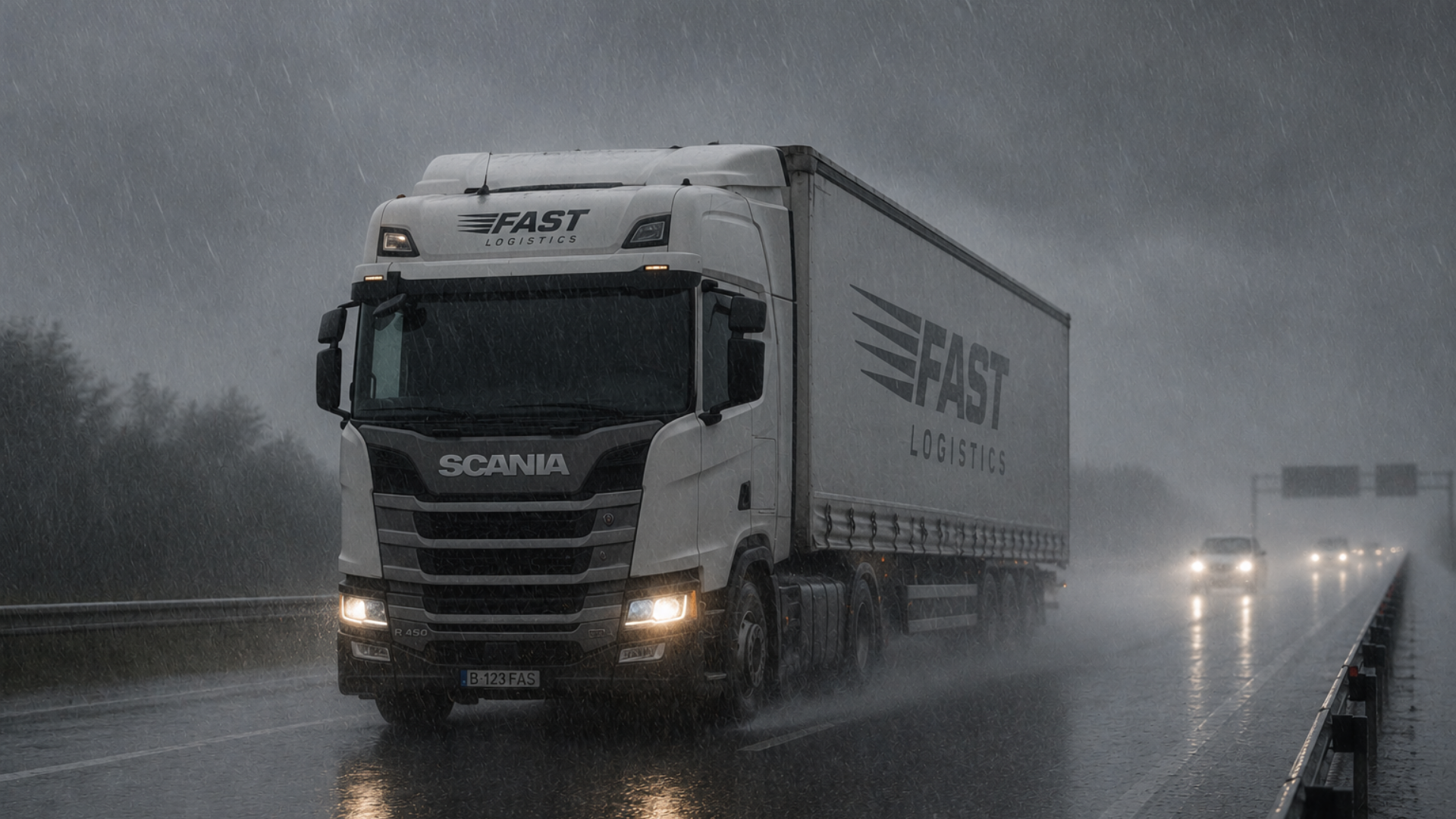
In the Philippines, June marks the official start of the rainy season. For logistics operators and fleet managers, this means bracing for typhoon-induced delays, compromised visibility, and the challenge of flooded highways and provincial routes.
Water remains one of the most insidious threats to heavy-duty machinery. Driving trucks in flood conditions isn’t just a matter of getting from point A to point B; it can be a high-stakes scenario that requires precise driving skill and rigorous post-trip maintenance to ensure vehicle longevity.
Table of Contents
As your partner in fleet growth and uptime, we’ve outlined the critical safety protocols your drivers must follow, as well as the non-negotiable water-damage prevention steps your mechanics must implement.
The Hidden Costs of Flood Damage to Your Fleet
When a truck wades through deep water, the immediate danger is obvious: stalling. However, the true cost of flood damage often reveals itself weeks later. If water breaches the vehicle’s critical systems, the long-term consequences can be devastating:

- Water and Oil Don’t Mix (Engine Failure): Engine oil is designed to coat and protect moving metal parts. When floodwater seeps in and mixes with that oil, it turns into a milky, useless sludge. Without proper lubrication, metal grinds against metal. What starts as a little water can quickly destroy your engine or transmission completely.
- Rotting Wires (Electrical Nightmares): Modern trucks are basically giant, rolling computers. Just like you wouldn’t drop your smartphone in a puddle, your vehicle’s sensitive computers and sensors cannot handle moisture. Even a small splash can cause water to sit inside your wiring. Over time, this creates hidden rust and corrosion, leading to sudden, mysterious breakdowns that are incredibly frustrating and expensive to fix.
- Slippery Brakes (Major Safety Risk): This is the most dangerous issue. When heavy-duty brake pads get soaked in floodwater, they lose their grip. A truck with wet brakes takes significantly longer to stop. This isn’t just a mechanical problem; it’s a direct threat to the driver’s life and everyone else sharing the road.
Preventing these outcomes requires a two-pronged approach: smart driving during the flood, and thorough inspection immediately after.
Safety Tips for Driving Trucks in Flood Conditions You Need To Know
Before you dispatch your fleet this season, ensure your operators are trained on these fundamental rules for navigating waterlogged roads.
1. Assess the Depth (The "Half-Wheel" Rule)
It’s easy to feel invincible sitting high up in a massive truck, but a big vehicle is definitely not a boat.
When deciding whether a flooded road is safe to cross, follow this strict expert rule:
Never drive through water that rises higher than the center of your wheels.
Here is what you need to know:
Once water reaches the axles (the metal bars connecting the wheels), it gets sucked directly into the vehicle’s mechanical vents. These tubes are meant to let the gears “breathe” air, but in a flood, they act like straws, sucking destructive water straight into your expensive mechanical parts.
If you can’t see the road and aren’t 100% sure how deep the water is, don’t risk it. Turn around to find another route, or pull over and wait for the water to drop.
2. Maintain a Steady, Low Speed
- Engage a low gear before entering the water.
- Maintain a steady speed (typically between 5 to 10 km/h).
- Keep engine RPMs consistent to prevent water from traveling up the exhaust pipe.
3. Avoid Sudden Braking and Gear Changes
4. Stick to the Center of the Road
Post-Flood Inspection: Water Damage Prevention for Trucks
Check the Differentials and Transmission
- The Check: Mechanics must loosen the drain plugs on the axles and transmission just enough to see the fluid.
- The Warning Sign: If the fluid looks milky or cloudy, water has entered the system. The fluids must be drained and replaced immediately before the truck goes out on its next run.
Inspect the Air Intake and Engine Oil
Clean and Lubricate the Chassis
- Power-wash the undercarriage to remove mud and contaminants.
- Re-apply grease to all chassis lubrication points (U-joints, tie rod ends, slack adjusters) to force out any trapped water and prevent rust.
Evaluate the Braking System
Conclusion: Proactive Maintenance is Your Best Defense

You cannot control the weather, but you can control your fleet’s readiness. By equipping your drivers with the knowledge to safely navigate flooded roads and enforcing strict water damage prevention inspections, you protect your capital investment and ensure your operations remain uninterrupted.
Don’t wait for a breakdown to find out water breached your axles. Implement a mandatory post-flood protocol today.
Get your Free Copy of our Post-Flood Inspection Checklist
Make sure your mechanics don't miss a single step after a truck returns from a waterlogged route. Download our printable checklist to standardize your fleet's rainy season maintenance and prevent costly water damage.
Your free guide is on the way!
Your requested PDF is on its way to your inbox! We've also added you to our newsletter so you can stay up-to-date with our latest news. If you ever change your mind, you can easily opt out by clicking the unsubscribe link at the bottom of any email. Thanks for downloading!
References:
- Scania Official Driver Guides (Vehicle Handling in Extreme Weather)
- Federal Motor Carrier Safety Administration (FMCSA) – Driving in Adverse Weather
- Cummins Heavy-Duty Engine Maintenance (Water in Oil / Hydrolock prevention)
- SAE International (Effects of Water Contamination on Gear Lubricants)
- Philippine PAGASA Weather Advisories (Contextual link)
Comments are closed